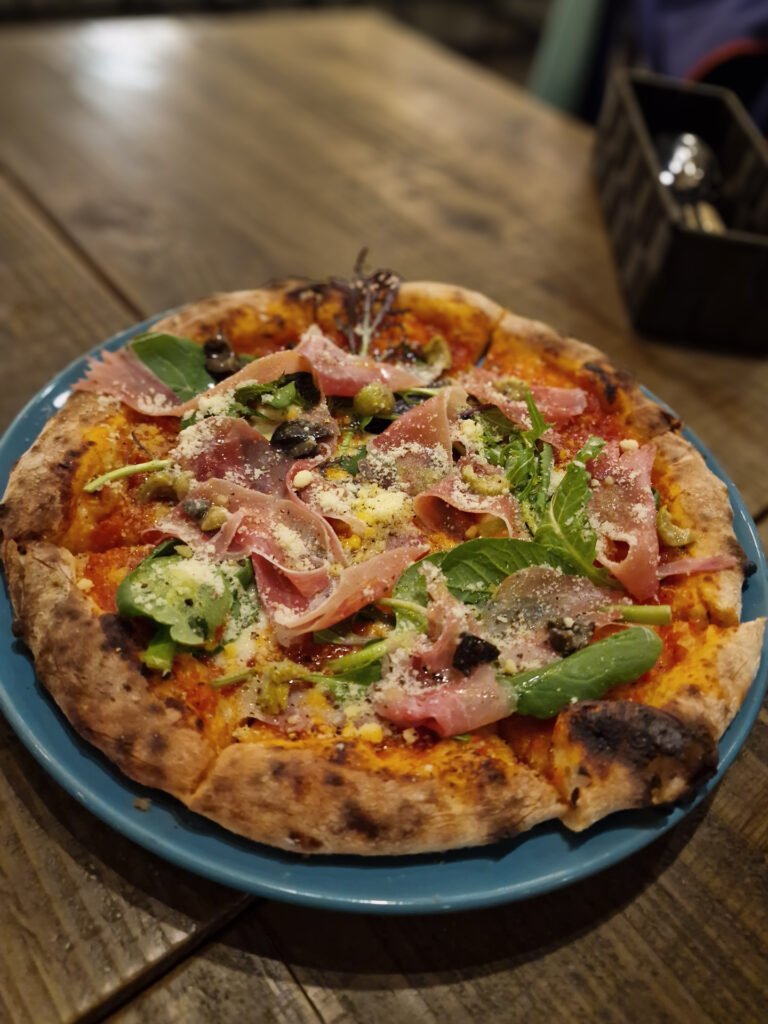
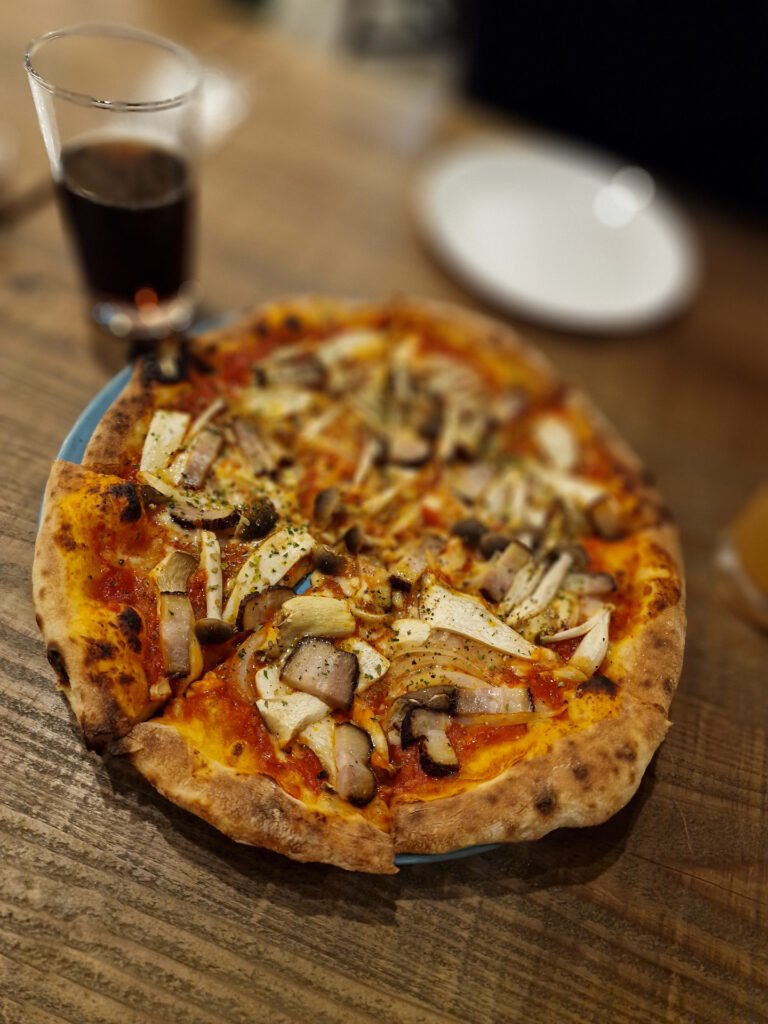
After a night in Yudanaka, we take the train back to Nagano, where we are staying at a hostel. From the moment we check in, the Japanese attention to detail is apparent. Our hostel, Mash Café & Bed Nagano, is a typical Japanese hostel. They have thought of everything. Unlike European hostels, where you are lucky if your bed is even surrounded by a curtain, every sleeping space here has been designed to create a sense of calm and privacy. It is simple, thoughtful and functional – just like so many other things in Japan. We also decide to have dinner at Mash Café & Bed Nagano, where we enjoy wood-fired pizza and unlimited drinks at no extra cost.
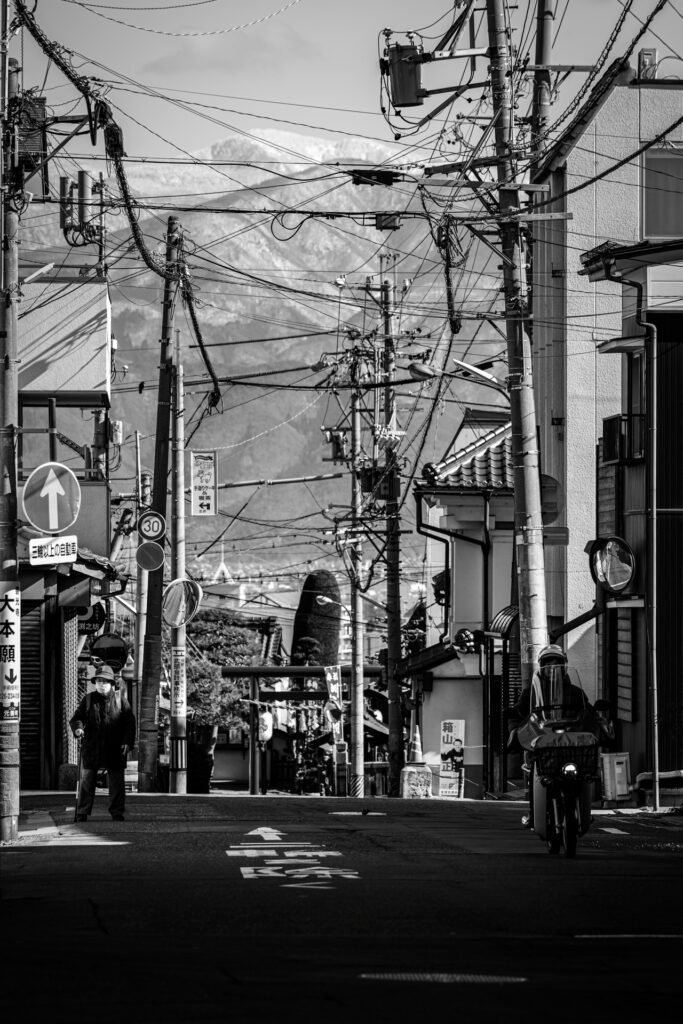
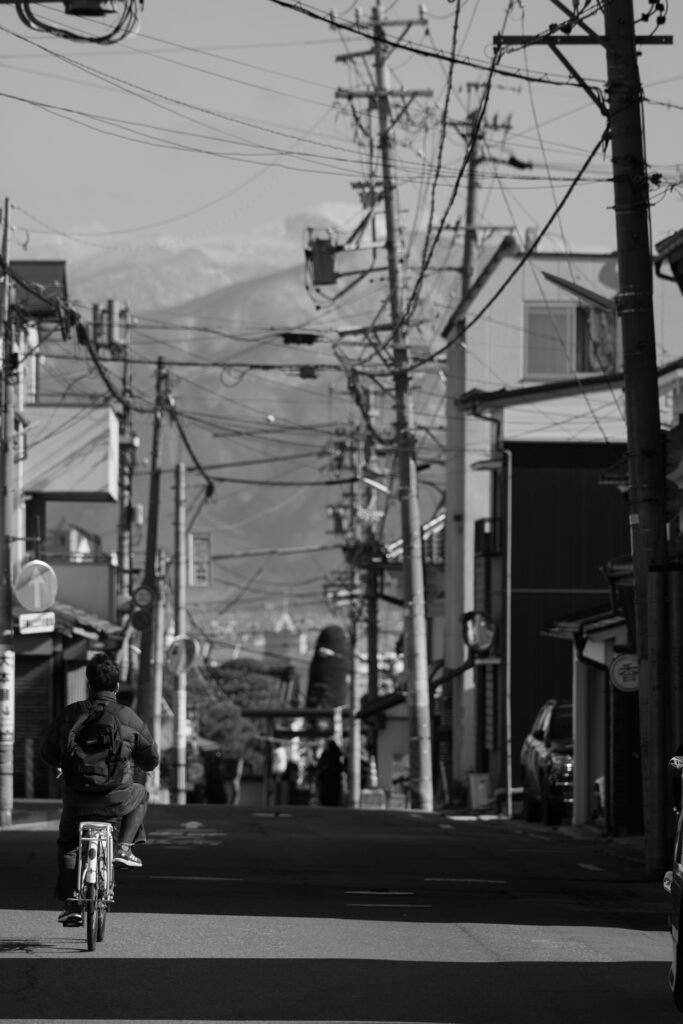
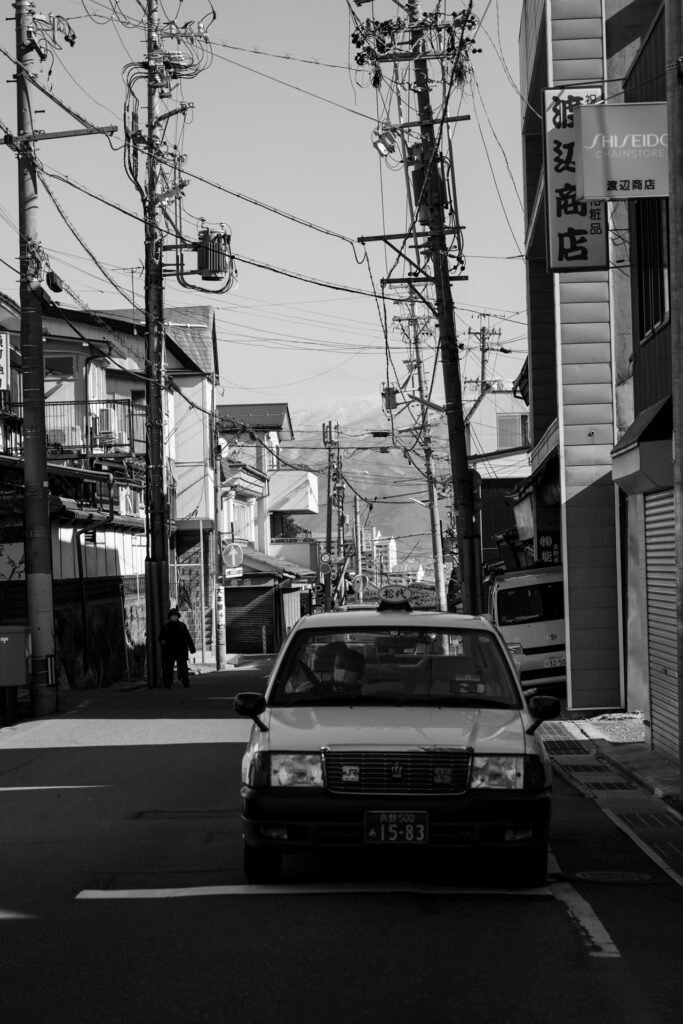
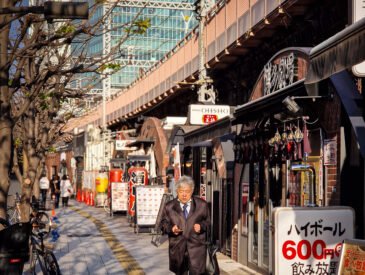
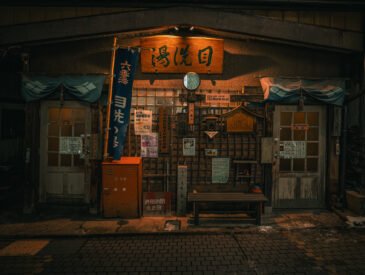
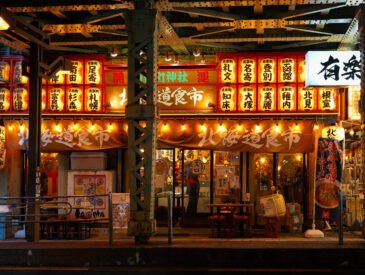
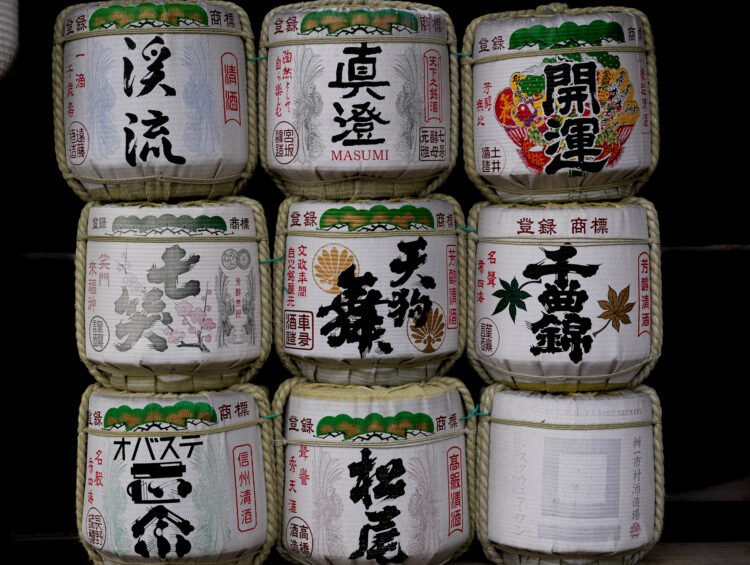
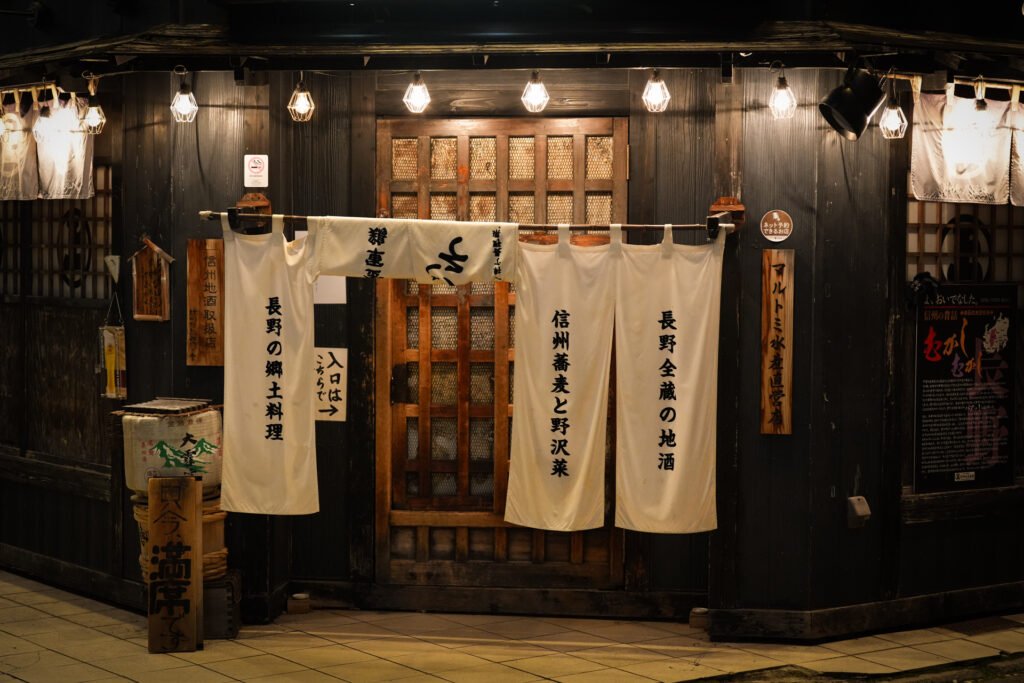
Nagano is a considerably smaller city than Tokyo, and its central pedestrian street is neither particularly large nor spectacular. But it is often in Japan’s smaller cities that the country reveals another side of itself. Narrow alleyways are lined with restaurants glowing with Japanese signs, paper lanterns frame entrances, and melodies drift from speakers. In some of Japan’s most unexpected corners, there is often an atmosphere that is difficult to put into words – a feeling that is hard to find anywhere else in the world.
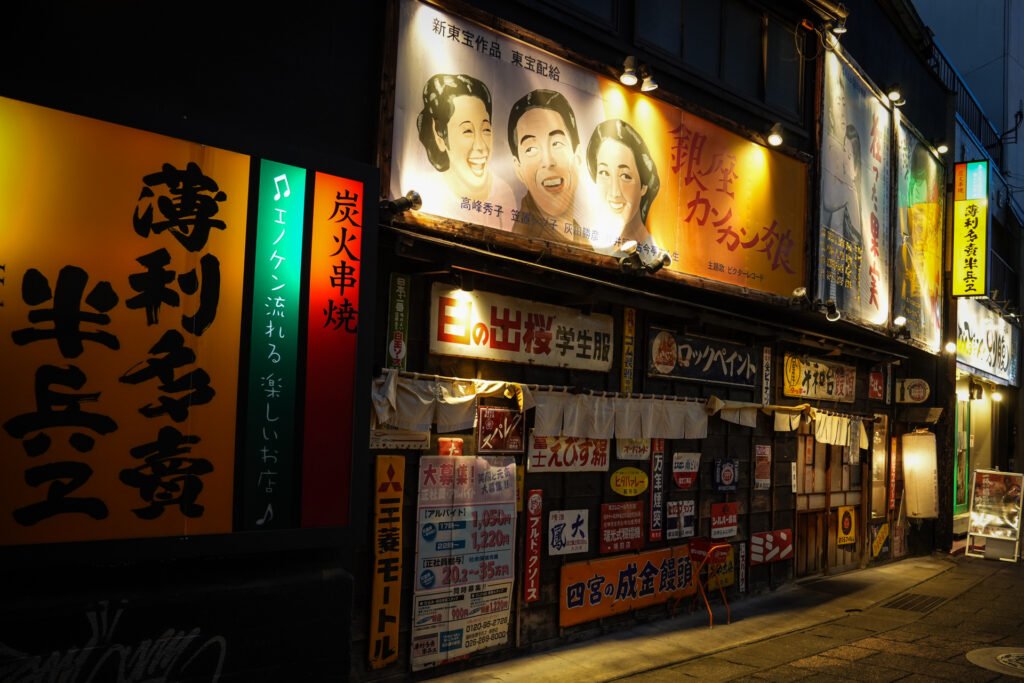
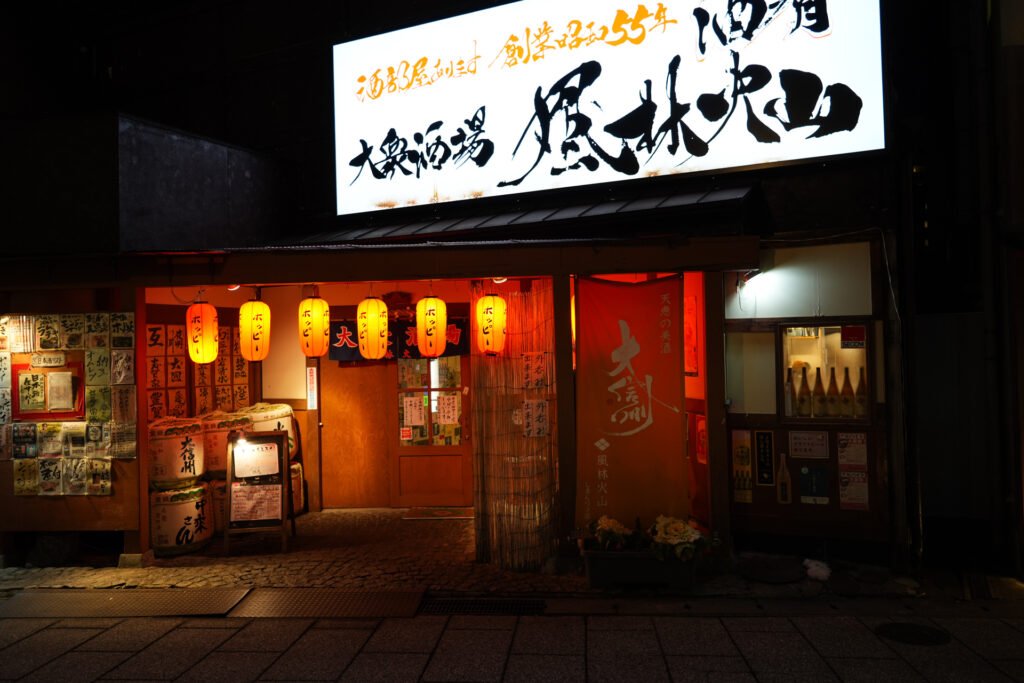
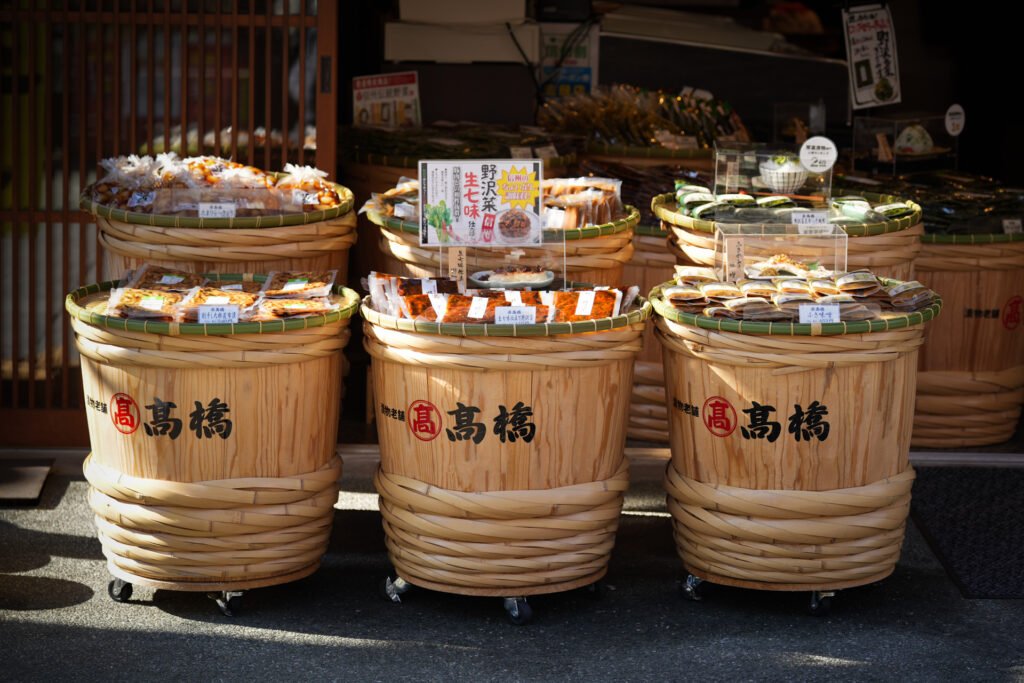
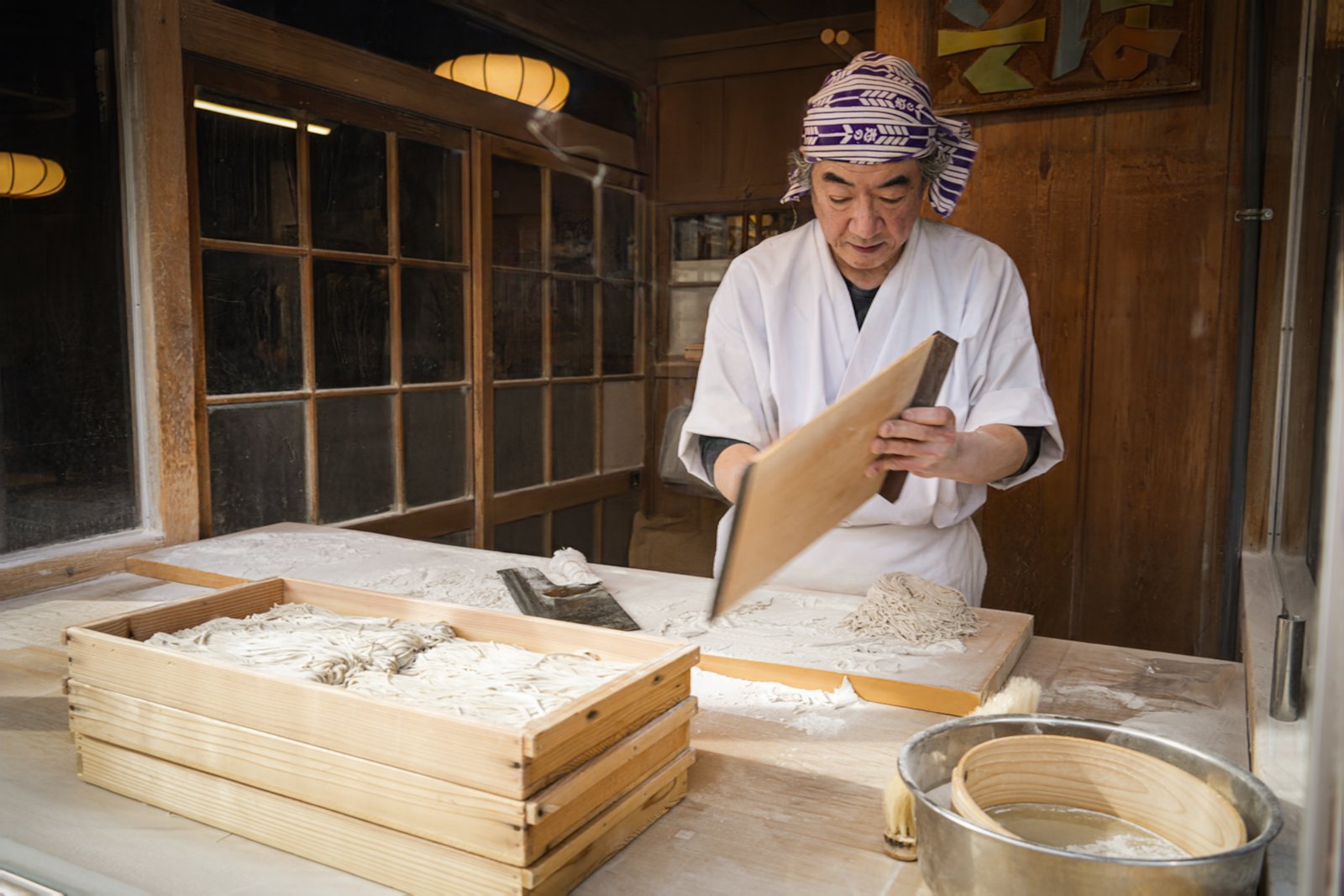
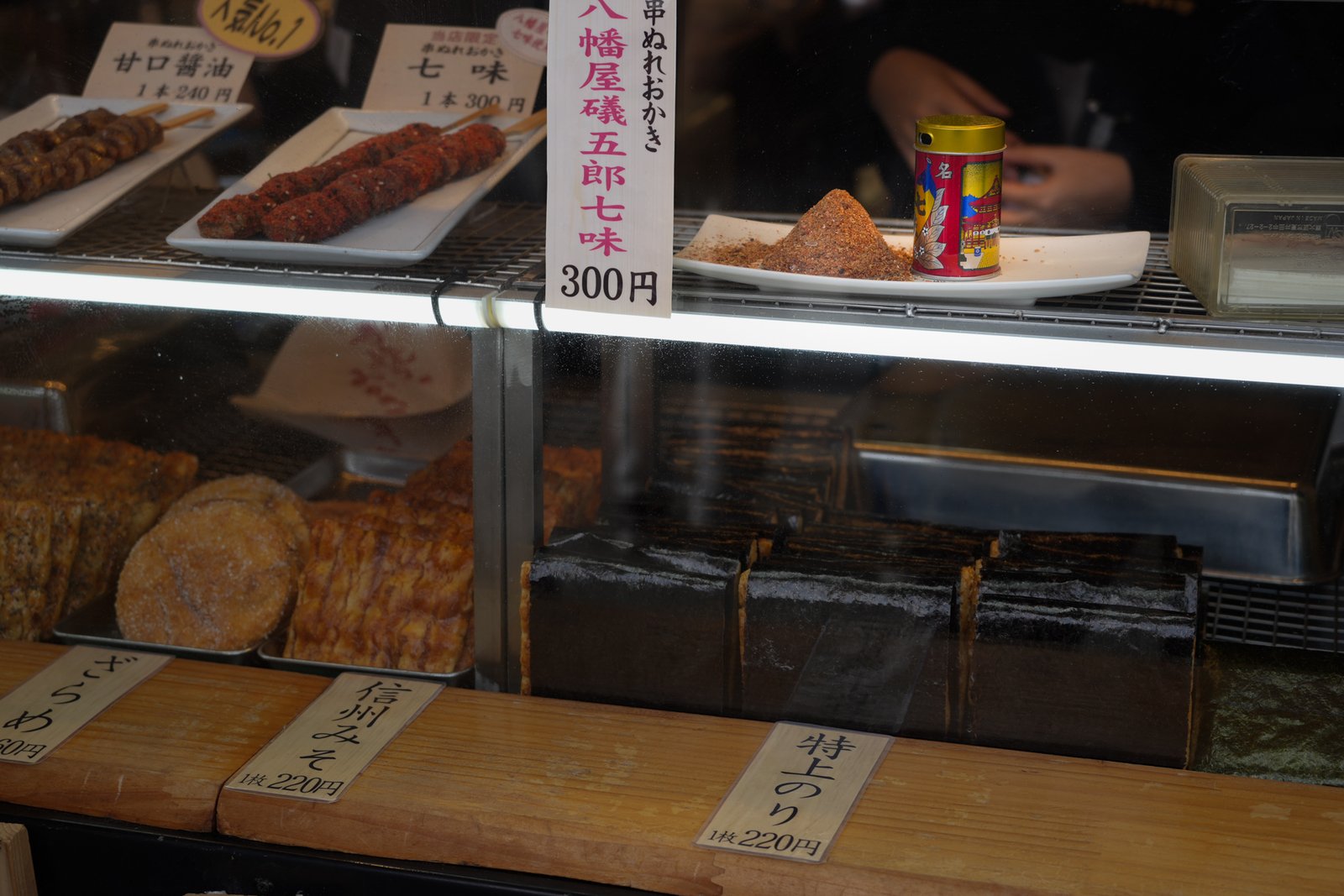
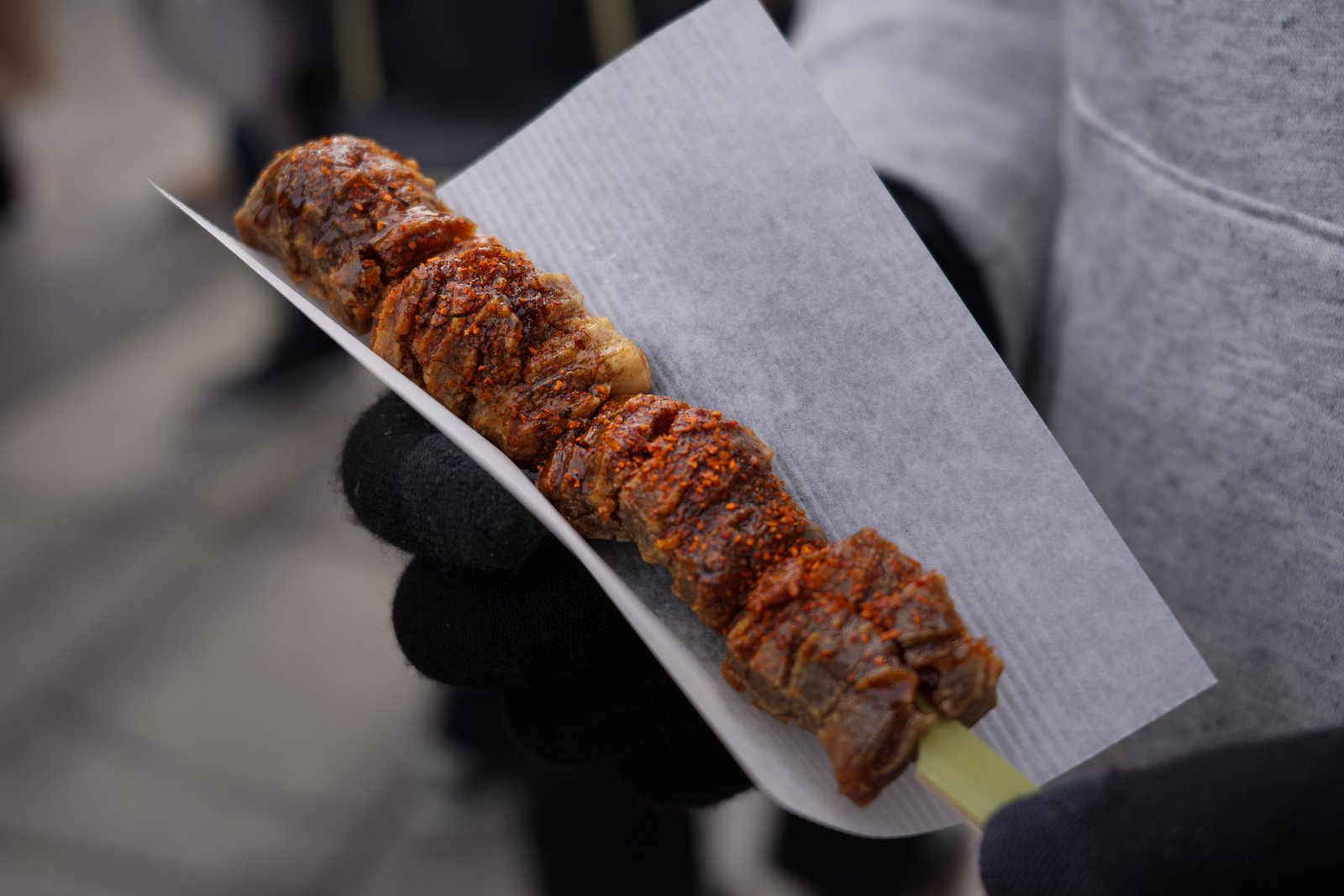
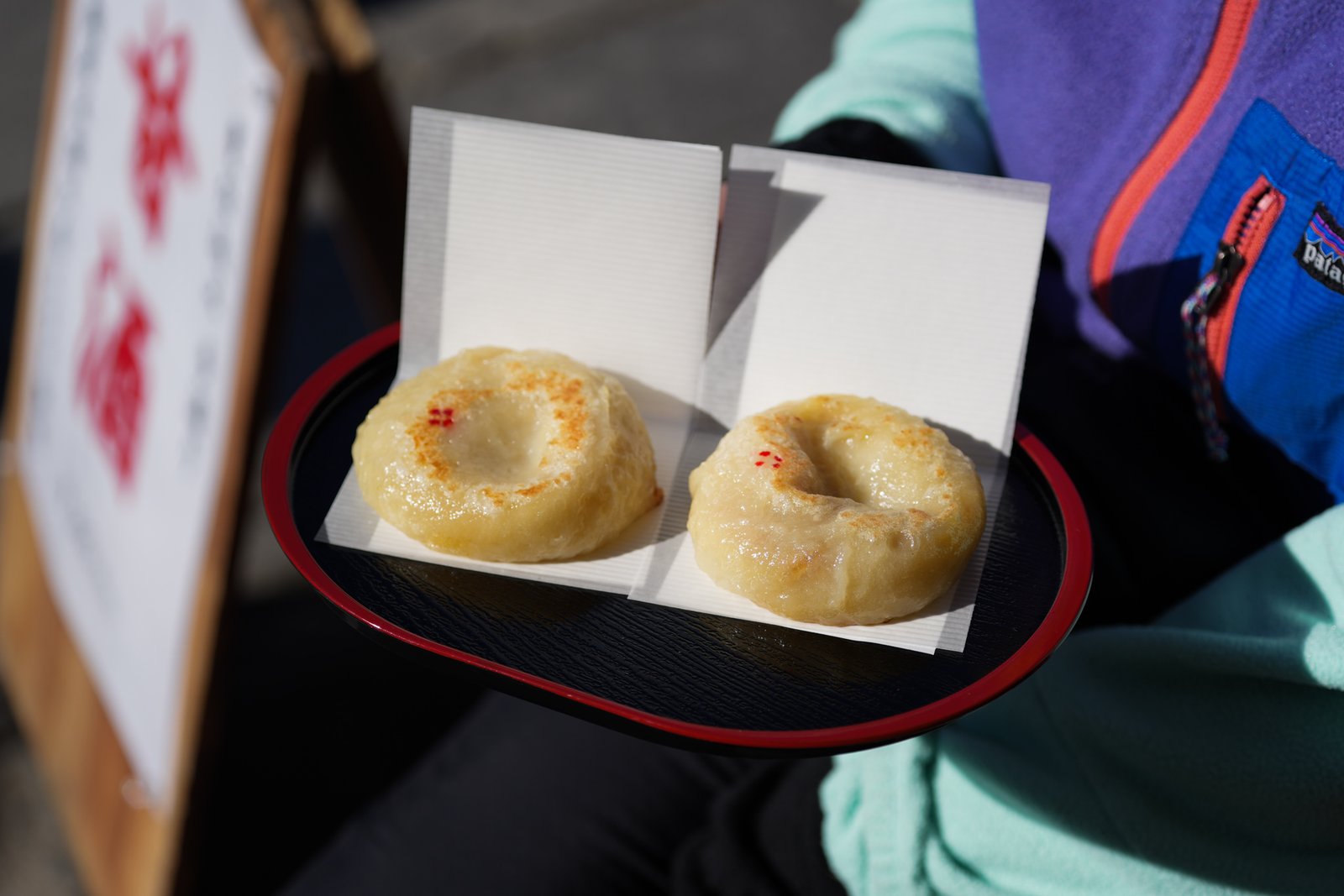
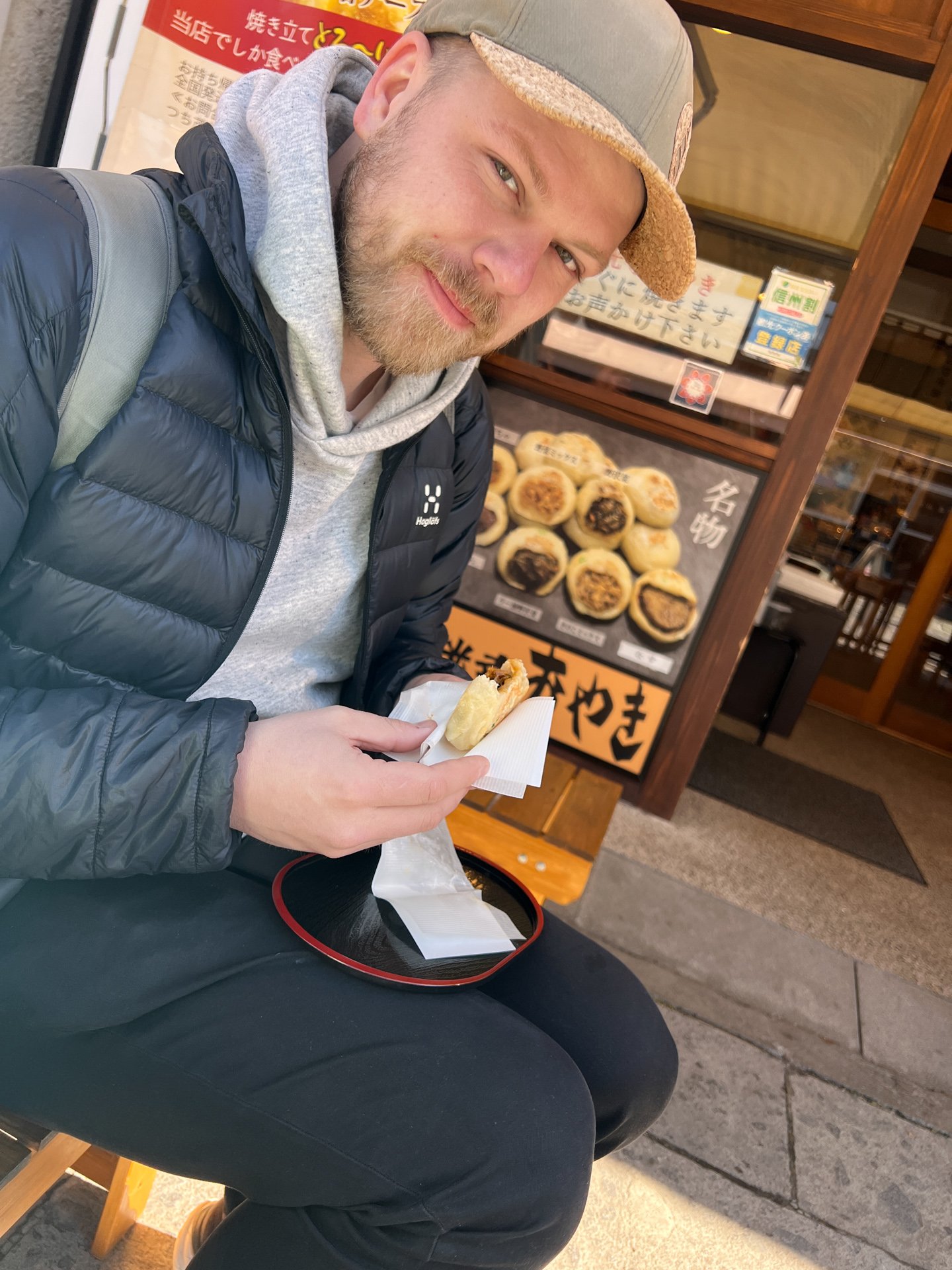
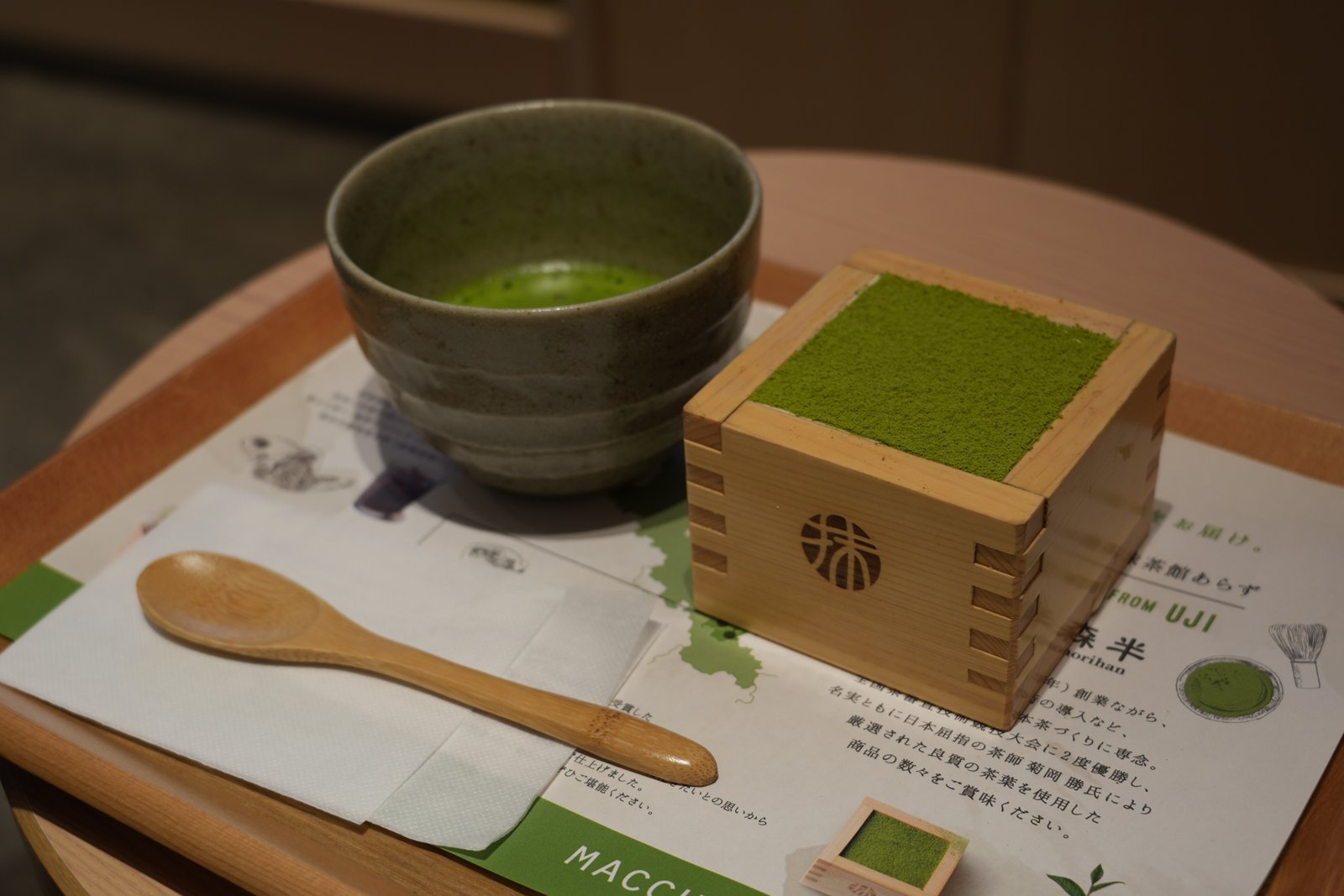
The city’s most famous attraction is Zenkoji Temple, a Buddhist temple dating back to the 7th century. The pedestrian street leading up to the temple is lined with old wooden buildings, small souvenir shops and stalls selling street food, ice cream and matcha drinks. We eat breakfast, lunch and have coffee here. One of our favourites is the traditional dish oyaki, soft dumplings filled with miso and cheese.
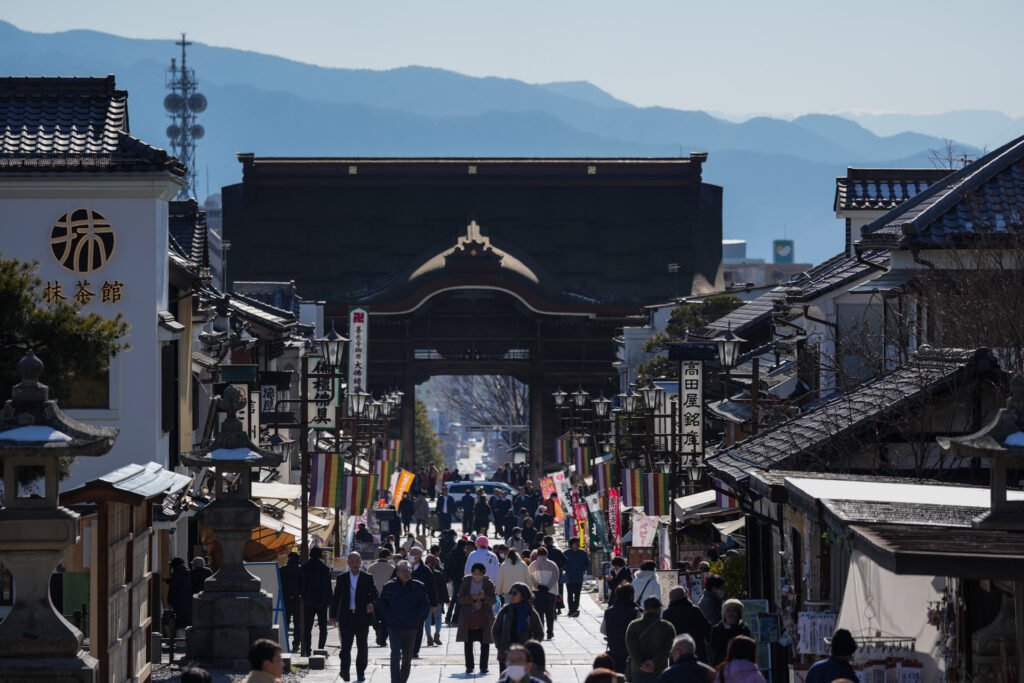
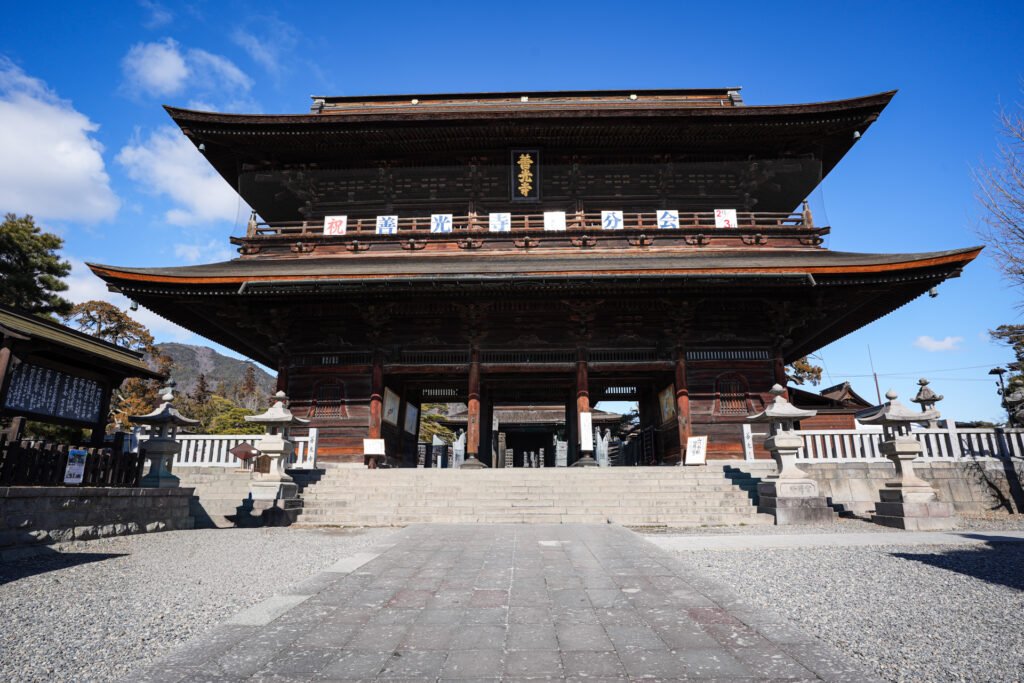
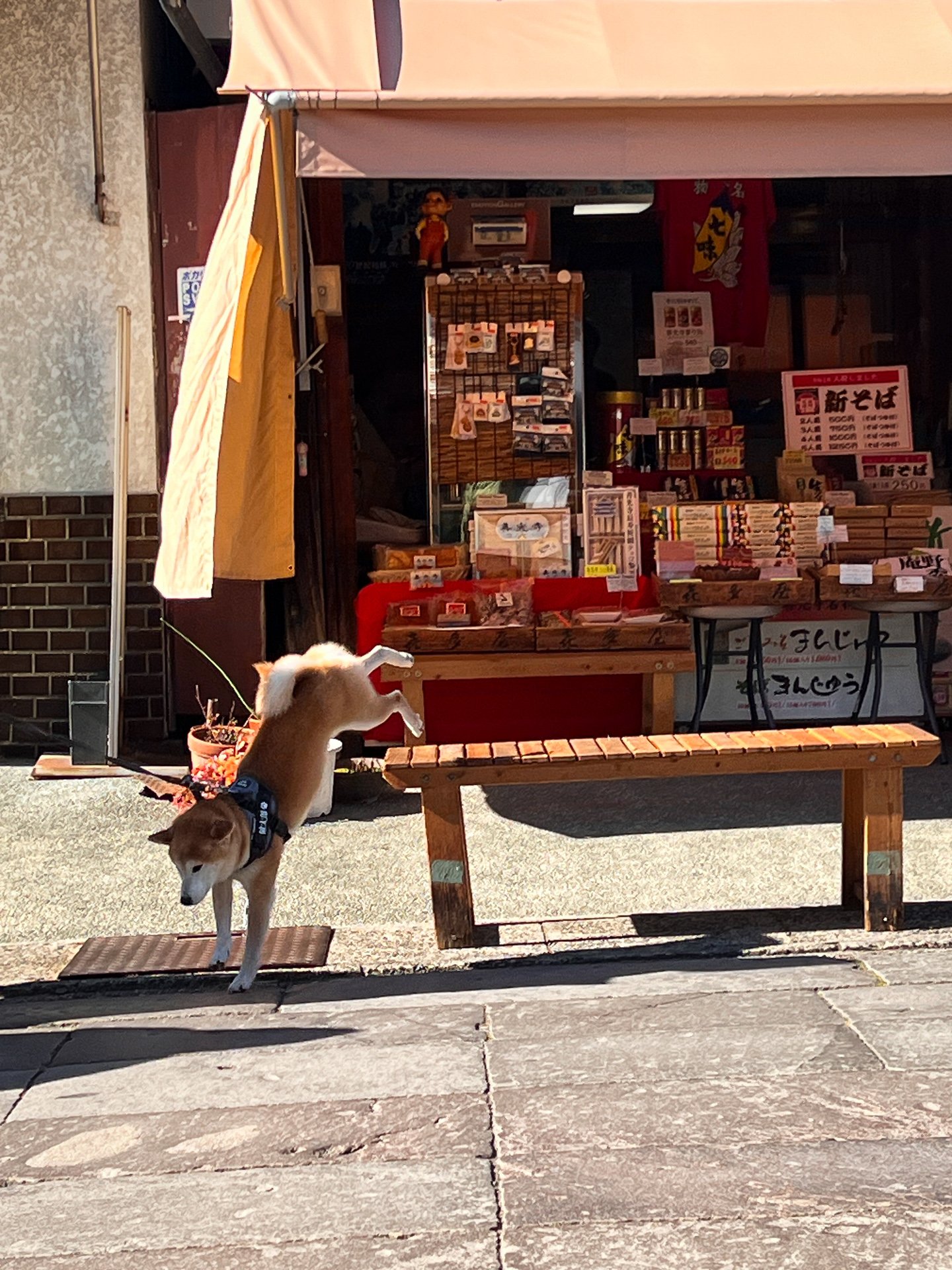
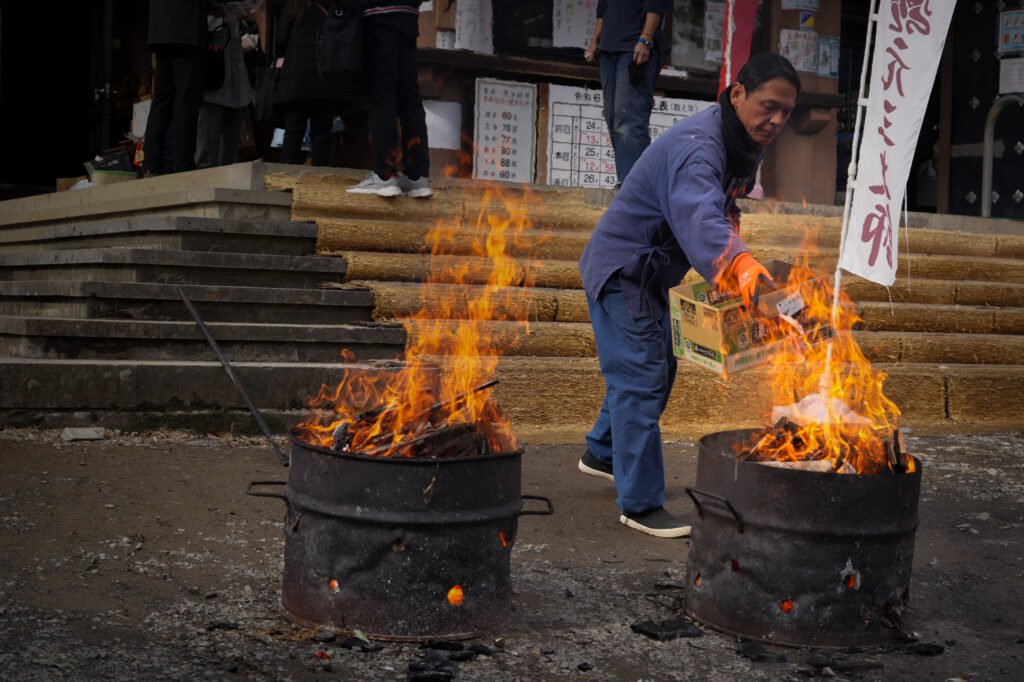
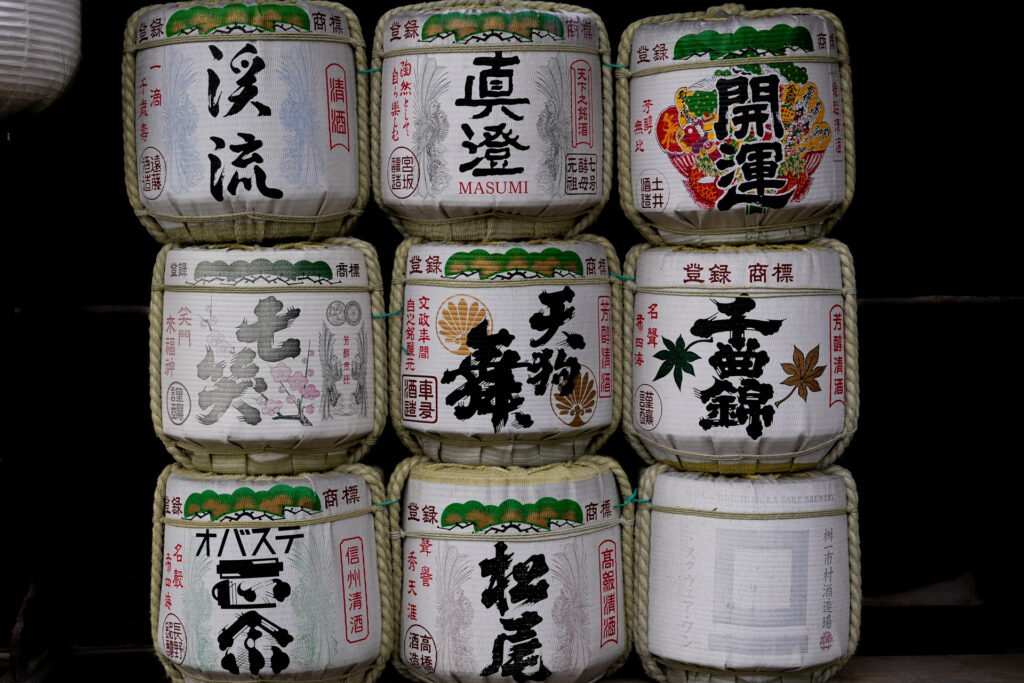
The temple grounds are filled with the scent of incense, while the sound of a temple bell echoes in the background. On the streets just outside, kei cars (軽自動車) pass by – small, compact cars that almost look like toy cars. They are iconic symbols of modern Japanese culture, much like the country’s high level of consumption, ubiquitous vending machines and extensive use of single-use plastic – a reminder of how tradition and modernity constantly exist side by side in Japan.